The Power of Provenance: Why Item History Matters in Collecting
In the world of serious collecting — whether it’s movie props, fine art, historical artifacts, or rare memorabilia — there’s one hidden factor that can make or break an item’s value: Provenance.
Provenance isn’t just a fancy term. It’s the documented journey of an object’s life — a story that proves where it came from, who owned it, and how it survived through time. It’s history with a pulse. And for collectors who understand its power, provenance transforms an object from a mere thing into a tangible connection to greatness.

What Exactly Is Provenance?
At its core, provenance is the verified ownership history of an item. It answers questions like:
- Where did the item originate?
- Who has owned it over the years?
- Was it used or seen in notable contexts (such as a film set, museum, or historical event)?
- Is there documentation — receipts, photographs, certificates, archival references — to prove it?
Without strong provenance, even an authentic item can seem questionable. With strong provenance, even a humble object can become legendary.
How Provenance Is Built (Museum-Style vs Collector-Style)
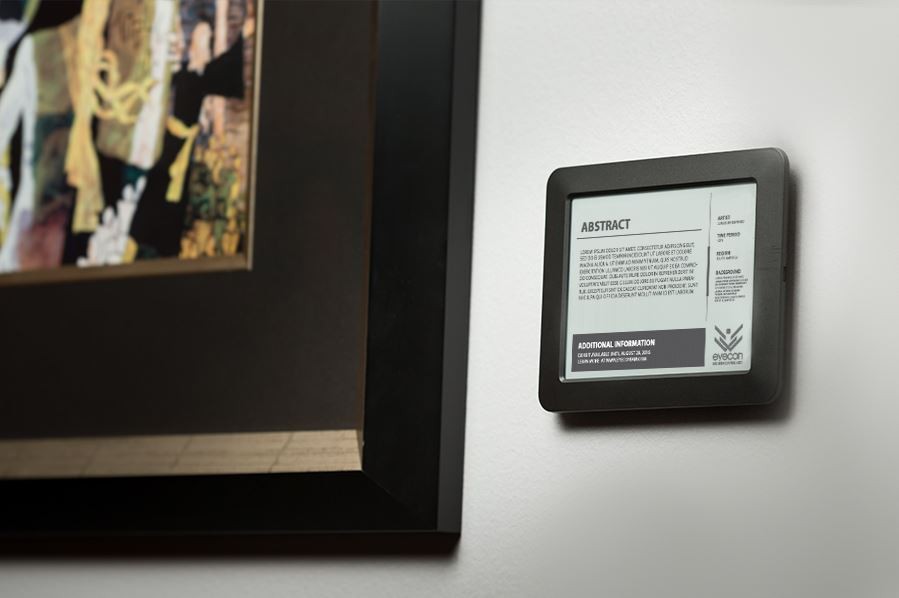
Museums build provenance like an ironclad chain. When acquiring an object, they require detailed acquisition reports, thorough condition logs, photographic documentation, and sometimes interviews with prior owners. Every detail is archived in formal registries, making it nearly impossible for history to be lost.
Private collectors, by contrast, often have to build their provenance more creatively — saving auction listings, photographing sales paperwork, recording handover conversations, or asking dealers to provide signed letters of origin. A smart collector acts like a museum curator — documenting at every step, no matter how informal the sale might seem.
Why Provenance Directly Impacts Value
Here’s the truth the most seasoned collectors know: Provenance multiplies value.
- Trust and Verifiability: Buyers pay a premium for items they can trust without guesswork.
- Emotional Connection: Knowing an object’s journey deepens its meaning and appeal.
- Marketability: Items with rich provenance resell faster, easier, and often for dramatically higher prices.
Without provenance? Even rare items become hard to sell at full value — sometimes discounted by 40–70% or more.
Common Ways Provenance Is Lost (And How to Avoid It)

Sadly, many collectors unknowingly damage an item’s long-term value by mishandling its provenance. Here’s how it usually happens:
- Discarding documentation — tossing old receipts, letters, or gallery notes that once proved authenticity.
- Separating COAs from items — misplacing the very certificate that anchored the object’s history.
- Fading memories — relying solely on word-of-mouth accounts rather than recorded facts.
One lost photo, one forgotten COA, one missing letter — and an item that could have fetched five figures at auction may struggle to sell at all. In collecting, documentation is preservation.
Real-World Examples of Provenance Impact

✔️ The 1966 Adam West Batman cowl sold for over $500,000 — thanks to impeccable studio documentation including original production photographs, wardrobe inventory forms, and authentication letters from key crew members. Without these ironclad links to its on-screen use, it would likely have sold for a fraction of that price.
✔️ A legendary Elvis Presley guitar was found in a private estate sale, believed to have been used during early Sun Records recordings. However, due to missing documentation and no traceable chain of ownership, it sold for under $100,000 — less than half what a fully provenanced guitar from that era could have achieved at auction.
✔️ Disney park props, especially from the early Imagineering days, regularly command high auction values when accompanied by internal tags, sale paperwork, and archival photos of the item in use. One verified Haunted Mansion prop with complete provenance recently sold for over $75,000, whereas similar undocumented props fetch far lower bids.
How to Build and Protect Provenance Like a Pro
- Archive everything: Keep COAs, receipts, auction catalogs, email chains — anything that verifies an object’s story.
- Photograph your items with documentation: Create a visual record that ties the object to its proof.
- Label your archives: Use simple folders, binders, or even digital backups to organize provenance materials by item.
- Request additional documentation when buying: Even a dealer’s signed letter can make a major difference later on.
- Engrave your memory: Write a short, dated note if you acquire something notable in person — future generations will thank you.

At Personified Collectibles, we believe every item tells a story — but it’s up to us as collectors to preserve that story with care and respect. When provenance is protected, the magic lives on.
Key Takeaways
- Provenance = Power. The story behind the object defines its value.
- Protect documentation. Photos, receipts, letters, COAs — save it all.
- Think like a museum curator. Every acquisition deserves careful archiving.
- Without provenance, value shrinks. Never separate an item from its history.
 personifiedcollectibles.com